


When you’re planning interiors for a home you’ll live in for years, the question isn’t just what looks good now. It’s what will still feel right five years from now, when colour palettes shift, when your routines change, and when that bold accent wall everyone loved in 2025 starts feeling like a relic from another era.
The problem with chasing interior design trends is that most are built for Instagram feeds, not everyday life. They photograph beautifully but age poorly. What seems fresh today can feel forced tomorrow, especially when trends prioritise drama over durability or novelty over nuance.
But not all trends fade quickly. A lot of the latest interior design trends are actually behavioural shifts disguised as aesthetic choices. They reflect how people want to live now: calmer spaces, flexible layouts, materials that feel honest, and lighting that adapts to real routines. These aren’t passing fads. They’re directions that align with long-term comfort, and homes built around them stay relevant without constant reinvention.
Here are five new interior design trends that combine style with staying power, chosen because they solve real problems and respect how homes are actually used.
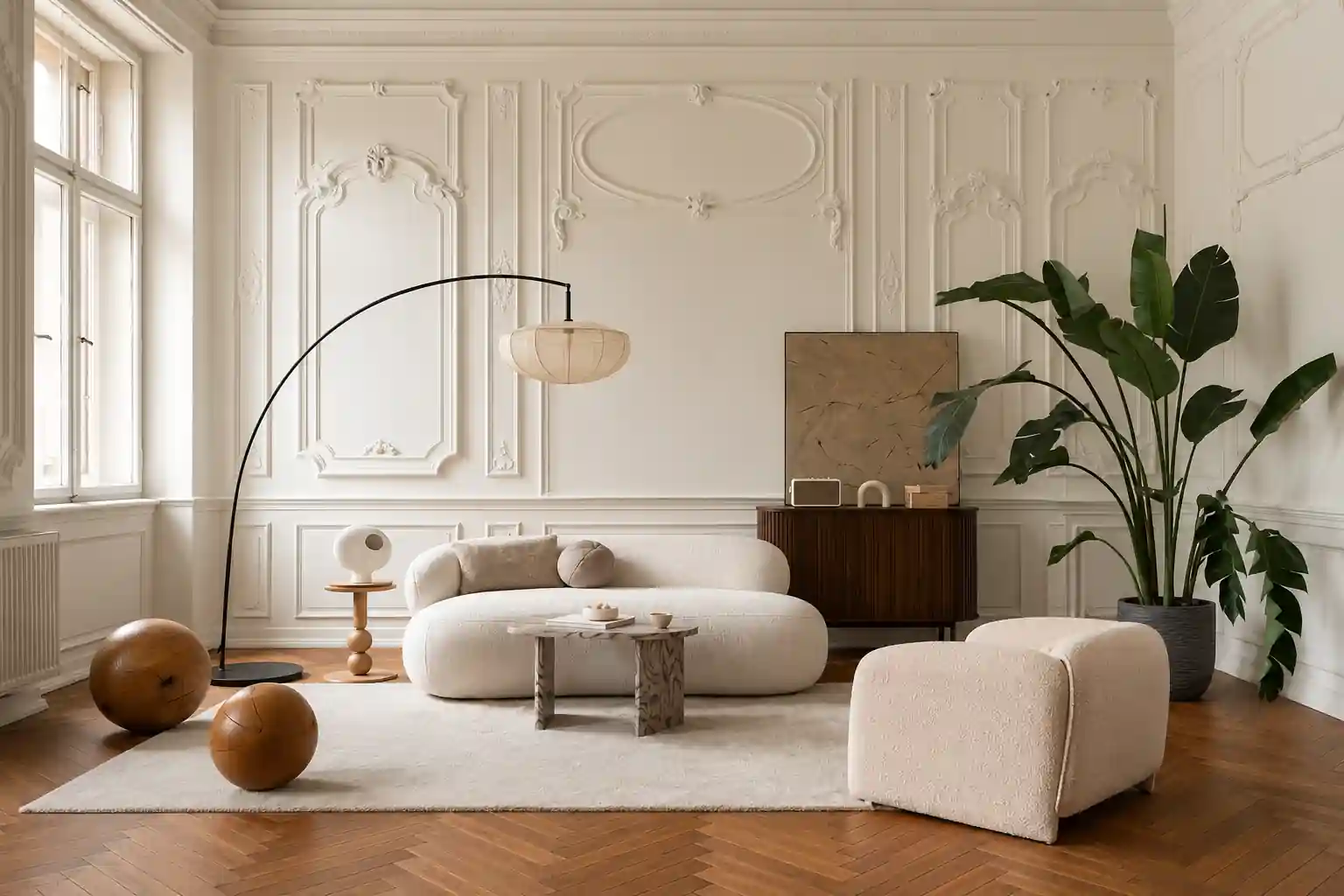
Bold colour blocking and maximalist walls have their moment, but they rarely survive a full decade without feeling dated. What interior design trends last? A calm, neutral base that allows personality to come through in smaller, changeable ways.
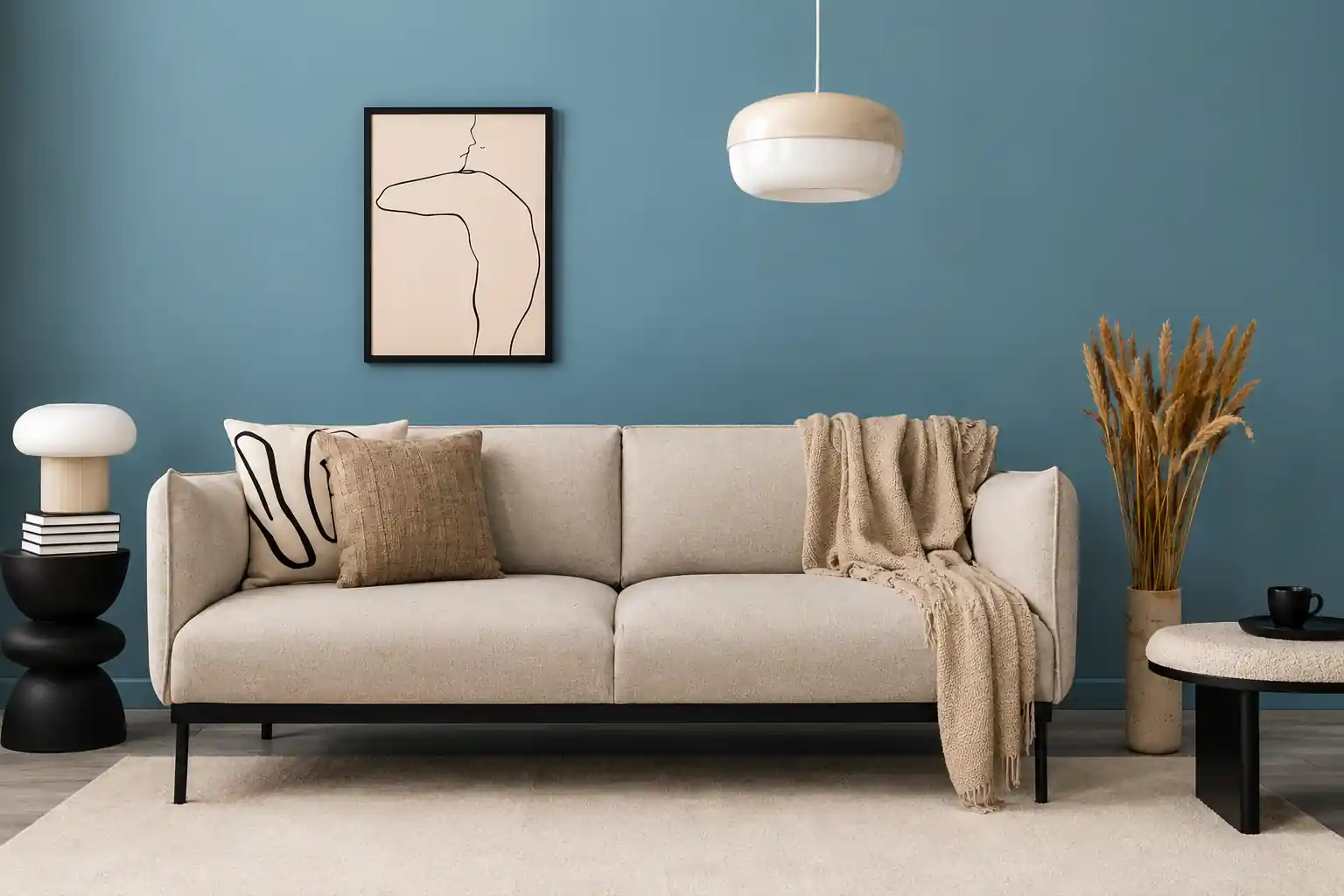
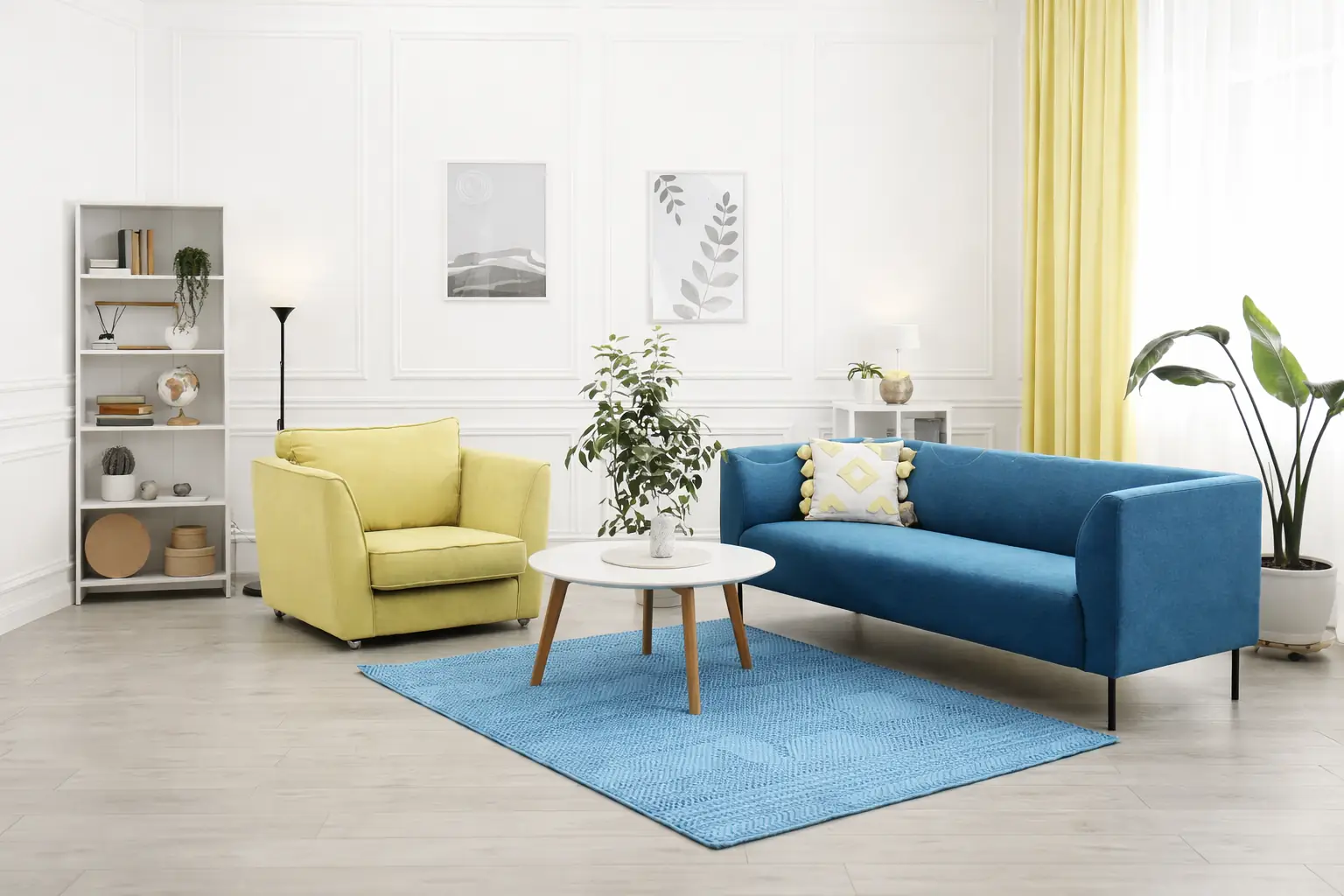
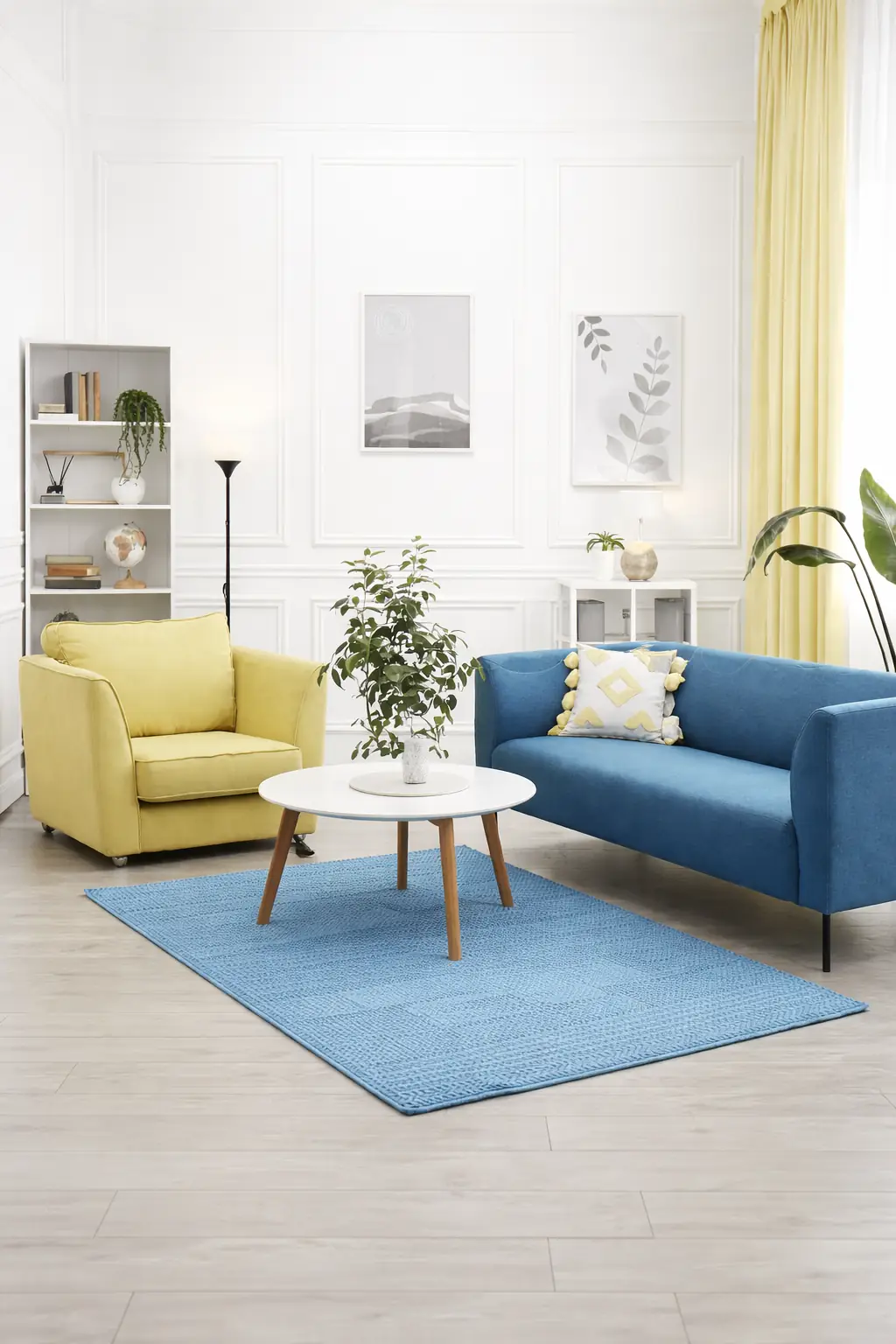
This is one of the latest yet most enduring interior design trends in India: starting with soft whites, warm beiges, or muted greys across walls and larger surfaces, then layering in character through textiles, art, or natural wood tones. The logic is simple. When the structure stays understated, you can shift accents as your taste evolves without repainting entire rooms or replacing fixed elements.
Once the visual foundation is calm, other elements will start to stand out without overwhelming the space. The first of these elements is your home’s lighting.
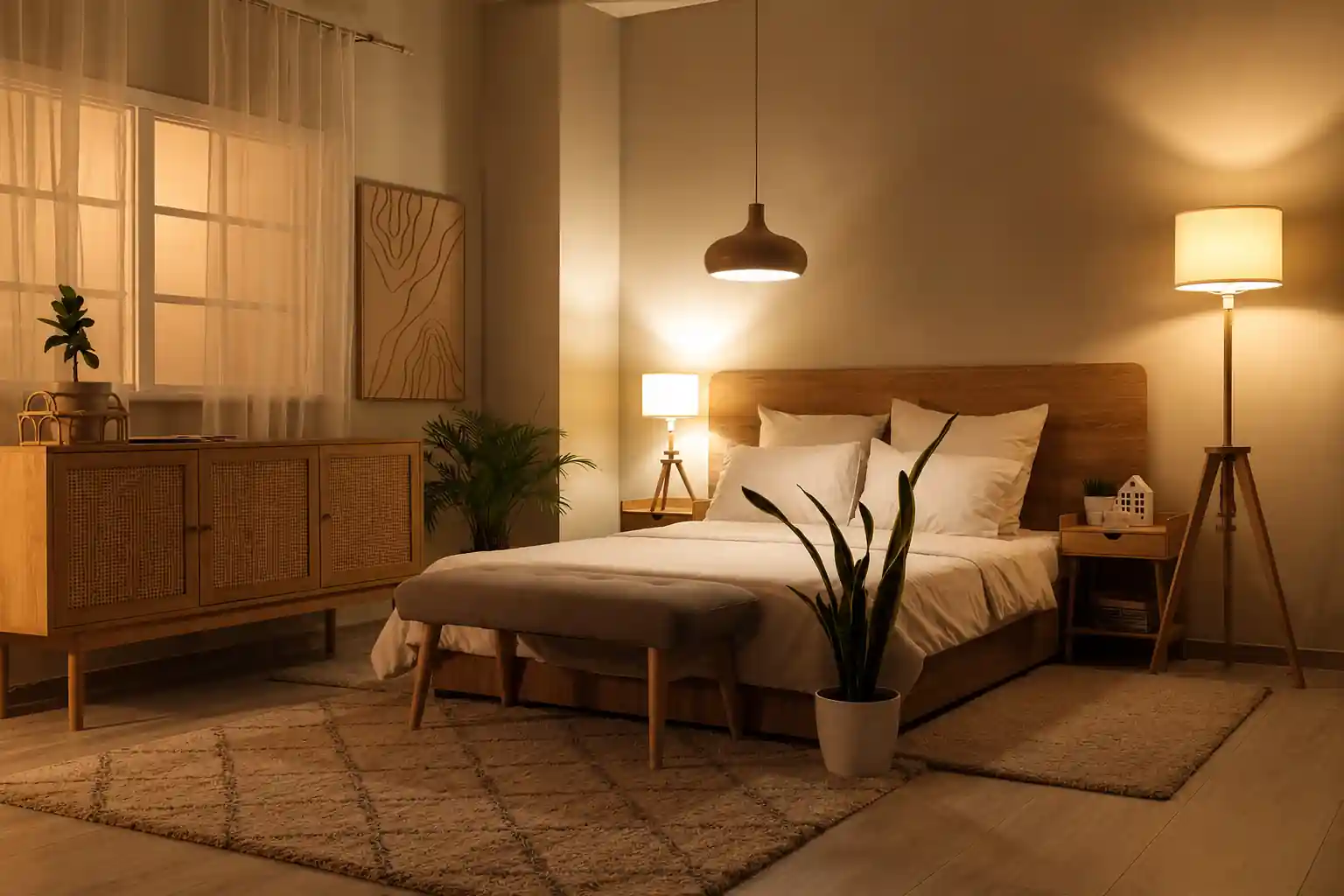
Only using overhead lighting is one of the fastest ways to make a home feel generic. What defines many of the trending interior design styles now is lighting treated as layers: ambient, task, and accent sources working together to shift mood and function throughout the day.
In a Mumbai apartment where natural light might be limited or inconsistent, layered lighting becomes essential. A living room might combine a soft ceiling fixture for general illumination, a floor lamp near the reading corner, and subtle LED strips behind shelving to add depth without harshness.
Future interior design trends increasingly prioritise this adaptability because rigid lighting schemes don’t match how people actually use their homes anymore. Layering allows spaces to feel different depending on the time of day or activity, without physically changing anything.
Once you find the right balance for your lights, you need to focus on the materials they illuminate.
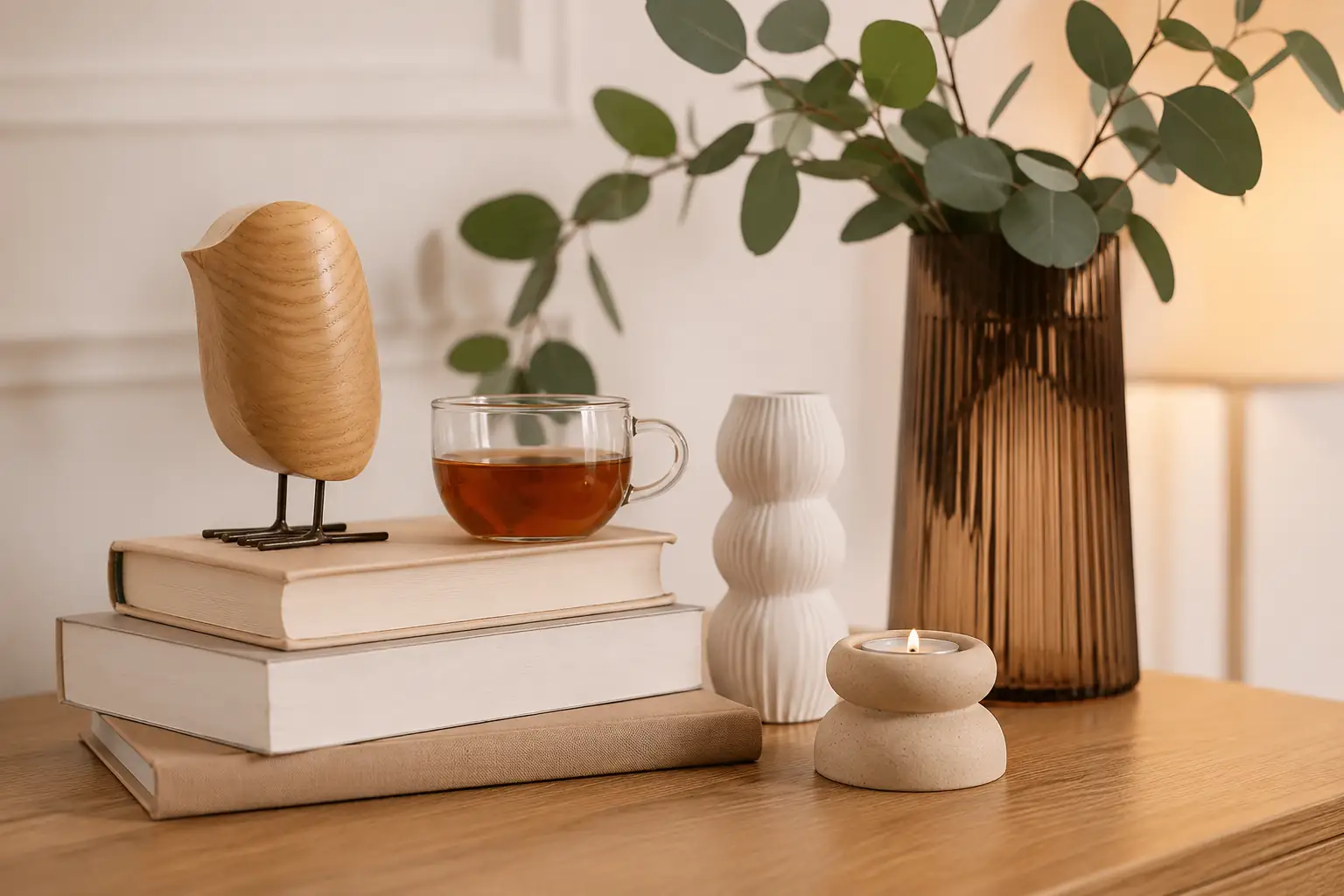
Glossy finishes and synthetic surfaces might look pristine initially, but they often wear poorly. Scratches stand out, textures feel cold, and over time, they start looking tired rather than timeless. This is why sustainable interior design trends emphasise natural materials like wood, stone, linen, and cotton.
These materials don’t just align with environmental priorities. They age beautifully. A solid wood dining table develops character with use. Stone countertops gain a lived-in patina. Engineered wood with moisture resistance, natural fibres that breathe, and finishes that don’t crack under temperature shifts are part of what makes new interior design practical, not just aspirational.
But material choices alone aren’t enough if the space itself can’t adapt to how life unfolds inside it.
The most significant shift among latest design trends isn’t visual. It’s spatial. Homes are no longer designed for single, fixed purposes. Dining tables double as workstations. Guest bedrooms transform into home offices. Living rooms accommodate both family gatherings and quiet solo time.
In a compact 2BHK in Mumbai, this might mean a bedroom designed with a fold-down desk that doesn’t block circulation, or a living room where furniture arrangement allows for both conversation and focused tasks without constant rearranging. These aren’t compromises. They’re intelligent responses to how modern life actually unfolds.
This is central to what we mean by new interior design trends: they focus not just on how spaces look, but how intelligently they respond to real, shifting needs.
Of course, flexibility only works when the home is easy to maintain on a day-to-day basis. That’s where storage plays a silent yet critical role.
Visual clutter ages a home faster than any trend. When surfaces are crowded, counters overflow, and storage is an afterthought, even a beautifully designed space starts feeling chaotic within months. That’s why the latest interior design trends are seeing a move towards intentional minimalism, supported by storage that actually works.
In Indian homes, storage plays a very visible and practical role. For example, entryways with closed shoe storage instead of open racks make the living room feel cleaner and less cluttered. Kitchens with full-height overhead cabinets that hide appliances and bulk groceries ensure that your workspace is always tidy. Bedrooms with under-bed drawers can completely eliminate the need for extra cupboards, making your room more spacious and giving you the freedom to add decor or appliances that facilitate everyday comforts.
The latest interior design trends in India increasingly reflect this practical intelligence. Not because it’s trendy, but because it’s the difference between a home that stays organised and one that requires constant effort to maintain.
Following interior design trends doesn’t have to mean sacrificing longevity, as long as those trends are interpreted through real living needs. At Bonito Designs, trend awareness is only the starting point. What matters more is how those ideas translate into homes that work for Indian cities and everyday routines.
With deep experience across Mumbai and Bangalore layouts, from compact apartments to larger residences, our in-house team understands how light, ventilation, circulation, and storage behave in real homes. Bonito Designs’ LifeDesign philosophy brings structure to creativity, ensuring layouts respond to how families move, work, rest, and gather. Backed by ISO-certified quality and complete in-house execution, every stage is carefully planned and delivered end to end. The result is not a trend-led space, but a home designed to stay relevant long after interior design trends move on.
The most successful homes are not built around what is popular today, but around how people want to live tomorrow. When interior design trends are guided by long-term comfort, technical expertise, and a clear understanding of daily life, they stop feeling temporary.
At Bonito Designs, every project begins with listening to your routines, your space, and the city you live in. If you’re planning a home that should feel considered, functional, and enduring, book a consultation with Bonito Designs and start designing a space that continues to work beautifully for years to come.